
Walk-In Defrost Done Right
Multiple evaporator coils on one condensing unit? Here’s how to defrost them one at a time so the box never warms up — and how to keep the compressor safe when a coil comes back online.
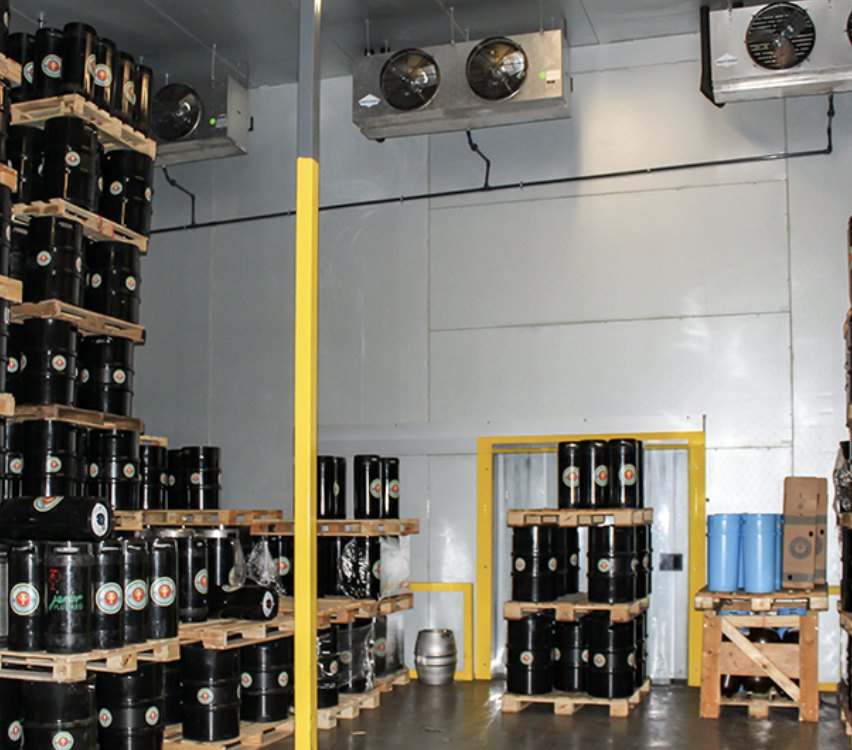
When a walk-in has multiple evaporator coils on one condensing unit, the smartest way to defrost is one coil at a time — so the others keep holding the box cold while one clears its frost. With a liquid-line solenoid on each coil you can do exactly that, running each coil’s defrost on its own schedule (three time clocks, or one modern controller) instead of shutting the whole box down at once. Which method you use to actually melt the frost — off-cycle air, electric heat, or a refrigerant-side scheme — depends on how cold the box needs to be and your budget. Here’s the full ladder, including how to keep the compressor safe.
First Principle: Stagger the Coils
If you defrost every coil at the same time, the whole box loses cooling and the temperature drifts up — bad news in a beer or food cooler. But if each evaporator has its own liquid-line solenoid valve, you can defrost one coil while the others keep refrigerating on the same condensing unit. The box barely moves.
This one change — staggered, one-coil-at-a-time defrost — is the single biggest reason a multi-coil box can hold a tight, cold temperature.
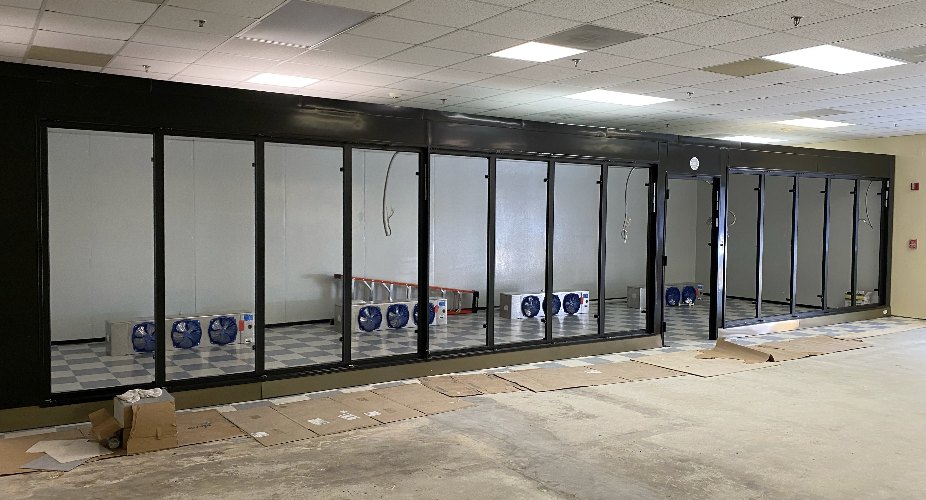
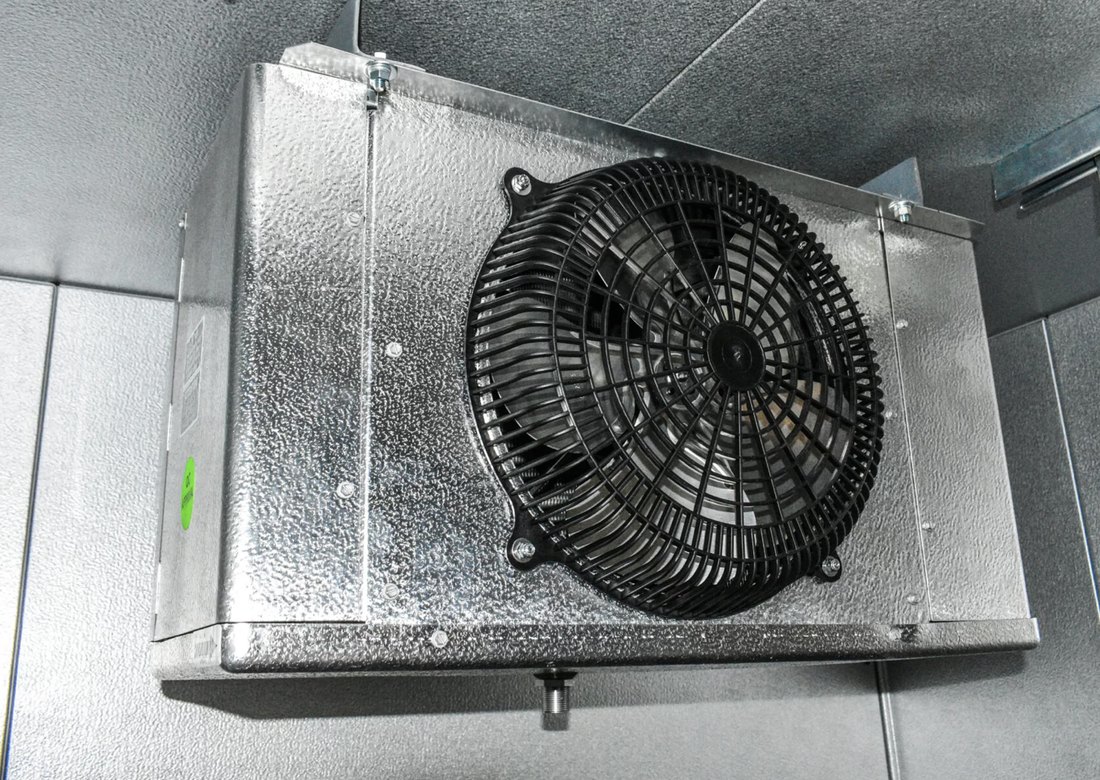
Each evaporator is its own little cooling unit hanging in the box. On a small walk-in you might have one. On a big beer cave you might have three or four, all piped back to a single condensing unit outside. That shared compressor is exactly why the timing matters: defrost them all together and the box has no cooling at all for the length of the cycle.
Three Time Clocks, or One Controller?
There are two ways to run the sequence. The simple, all-mechanical way is three separate defrost time clocks — one per coil, offset from each other so only one defrosts at a time. They’re cheap and easy to service. The cleaner way is one modern electronic controller that sequences every coil, manages the termination sensors and fan delays, and does it more precisely. Both work; it comes down to budget and how much control you want.
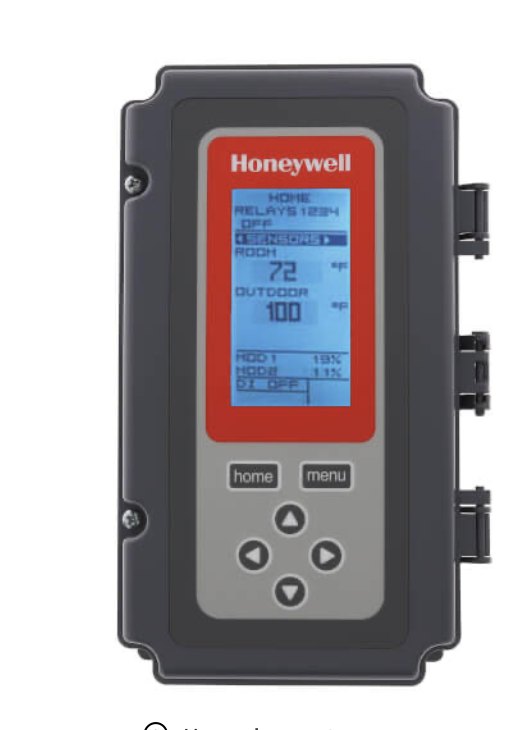
The advantage of the single-controller route is that it handles the fussy parts for you: terminating each defrost on coil temperature, holding the fans off until the coil re-cools, and rotating to the next coil automatically. With three mechanical clocks you’re setting and offsetting each one by hand — which is perfectly serviceable, just more manual.
The Defrost Methods, Cheapest to Most Capable
Staggering decides when each coil defrosts. The next question is how you actually melt the frost. Here’s the ladder, from cheapest to most capable:
Five Ways to Clear the Coil
Off-cycle (air) defrost. The coil’s solenoid closes, the fans keep running, and the box’s own air melts the frost. Cheapest, no added hardware — but the coil can never get warmer than the box, so it only works well above about 35°F. Marginal in a cold beer box.
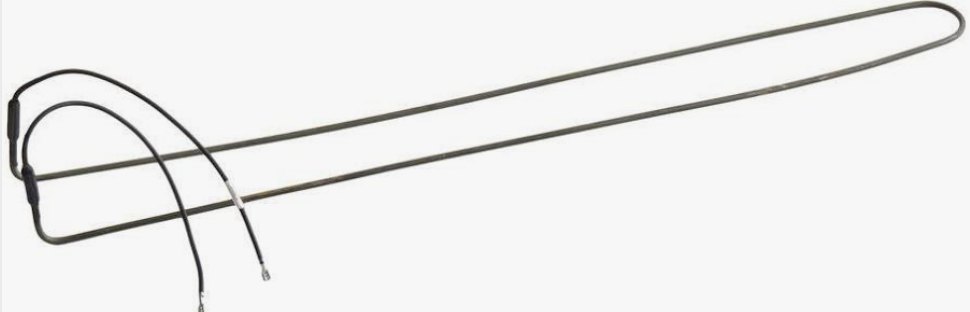
Electric defrost. Heating elements in the coil melt the frost directly. The fans turn off so the heat stays in the coil, then restart on a delay. It clears the coil regardless of box temperature — the go-to when you need to hold a cold box.
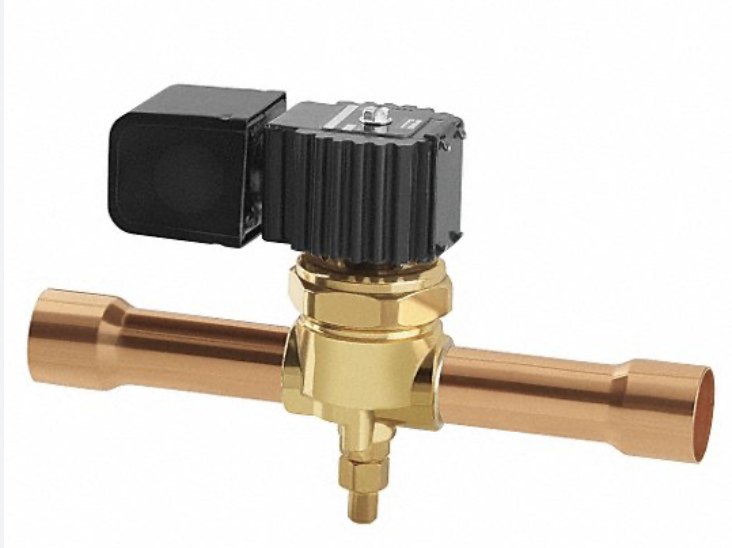
Refrigerant-side (“warm liquid”) defrost. Add a suction-line solenoid to each coil. Close it, and the coil’s expansion valve floods it with warm liquid-line refrigerant that helps melt the frost faster than box air alone — no heaters needed. (Honest note: once you add the valves and controls, this can cost more than just installing electric defrost. We’ll tell you straight which one pencils out.)
Hot gas defrost. Hot discharge gas is routed into the coil to heat it from the inside — the fastest, most complete defrost. It needs extra plumbing and adequate head pressure, so it’s more common on larger or low-temperature systems.
Full controller automation. A programmable system runs everything — solenoids, fans, heaters, and sensors — with precise timing. The slickest setup, and the most expensive. Right for a big multi-box operation; usually overkill for a single cooler.
Protecting the Compressor When a Coil Comes Back Online
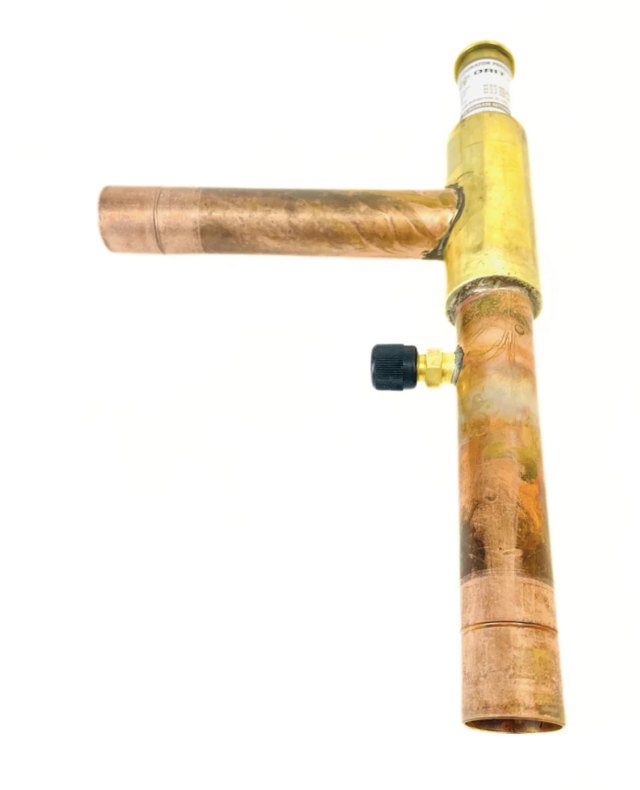
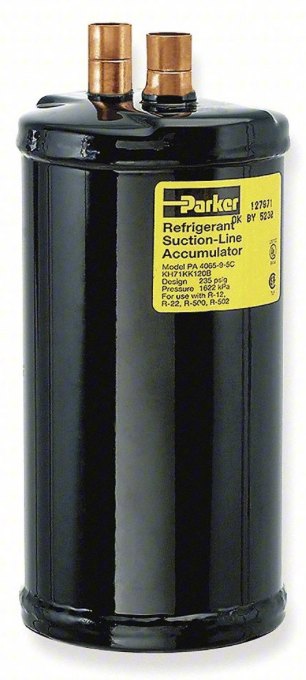
This is the part people miss. When a just-defrosted coil’s valve reopens, that coil is warm and full of refrigerant at elevated pressure. Let it dump straight back to the compressor and you get two problems: a suction-pressure spike that can overload the compressor motor, and liquid floodback that can damage the compressor. Two devices handle this — and they cover two different failure modes, so you want both.
How Often, and How Long
A medium-temp box like a beer cooler typically defrosts 3–4 times a day, timed to slow hours. Air-defrost cycles run longer (30–45 minutes) because melting with cool box air is slow; electric and hot-gas cycles are shorter and terminate on coil temperature. The right schedule depends on your frost load — and that load climbs in summer, so plan to defrost more in the humid months.
Head Pressure on Cold Days
Any defrost method that uses the refrigerant — warm-liquid or hot gas — needs decent head pressure to push refrigerant into the coil. If your condensing unit sits outdoors, a cold Minnesota day drops head pressure and weakens that defrost. And low head pressure also starves the expansion valve during normal running, which can ice a coil in a way that looks like a defrost problem but isn’t. Proper head-pressure control — condenser fan cycling, flooding the condenser, or a head-pressure control valve — keeps the system working through winter. It’s one of the first things we check when a walk-in ices up on cold days.
Can I defrost one coil while the others keep cooling?
Yes — that’s the point of a liquid-line solenoid on each coil. Defrost one at a time and the other coils hold the box cold so the temperature doesn’t drift.
Three defrost timers or one controller?
Both work. Three separate clocks are simple and easy to service; one sequencing controller is cleaner and handles termination sensors and fan delays for you.
Do the fans run during defrost?
On air (off-cycle) defrost, yes — the box air is what melts the frost. On electric or hot-gas defrost, the fans turn off and restart on a delay so you don’t blow defrost heat into the box.
What’s a CRO valve and do I need one?
A CRO is a crankcase pressure regulator. It protects the compressor motor from the pressure surge when a defrosted coil comes back online. You want one on any staggered or refrigerant-side defrost setup — paired with a suction accumulator.
Is electric defrost worth the cost?
If you need to hold a cold box, usually yes — it’s reliable and clears the coil completely. We’ll compare it against the alternatives for your specific equipment.
T&H Mechanical diagnoses and rebuilds multi-coil defrost systems the right way — across the East Metro & Western Wisconsin.
(651) 413-3331
24/7 Emergency Service
