
Keeping Beer at 32°F: The Liquor-Store Walk-In Cooler Challenge
Customers want their beer ice-cold — but holding a walk-in that cold without icing up the coils is one of the trickiest jobs in commercial refrigeration. Here’s the real engineering, in plain English.
Most liquor-store walk-ins are supposed to hold beer around 34–38°F, but a lot of owners want it colder — as close to 32°F as they can get — because cold beer sells. The problem is physics: the colder you hold the box, the harder it is to defrost the evaporator coils, because the “air defrost” most coolers rely on only works when the box air is warm enough to melt frost. Push the box to 32°F and that frost never fully clears, the coil ices up, airflow drops, and ironically the box ends up warmer. Holding a true 32°F box takes the right coil, the right defrost method, and tight humidity control.
Why Customers Care — And Why It’s a Real Fight
Walk into any liquor store and the beer cooler is the heart of the business. Shoppers reach for the case that feels coldest, and “warm beer” is one of the fastest ways to lose a repeat customer. So owners tell us the same thing constantly: get it as cold as you can.
The honest answer is that getting a beer cooler down near 32°F — and holding it there reliably through a humid Minnesota summer — is one of the trickier jobs in commercial refrigeration. It’s not because the equipment can’t get cold. It’s because of what happens to the coil.
The Frost Problem, in Plain English
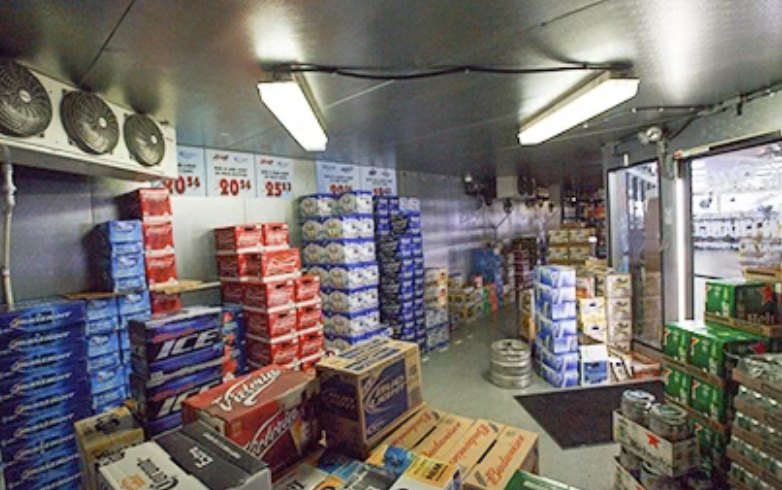
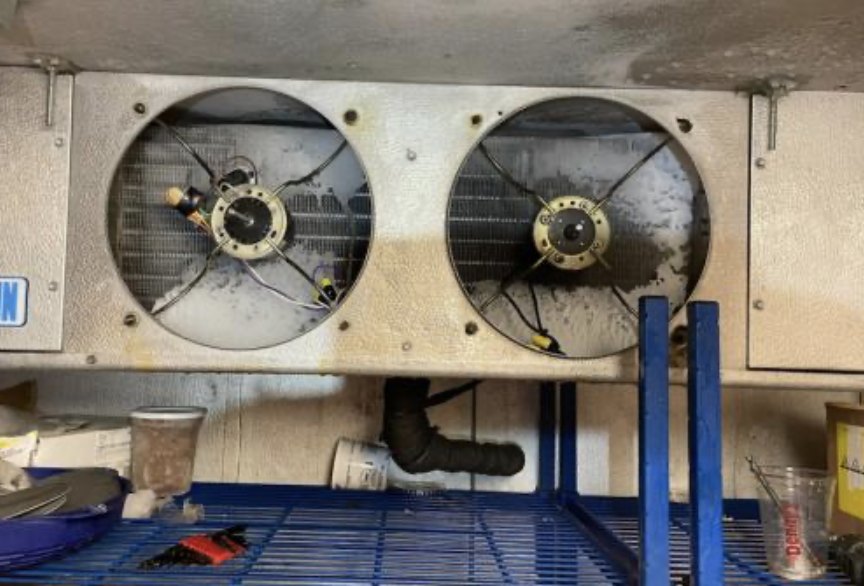
Your evaporator coils run colder than the box — they have to, to pull heat out of the air. In a beer cooler the coil surface sits below freezing, so every bit of moisture that touches it turns to frost. A frosted coil is an insulated coil: airflow drops, heat transfer drops, and the box slowly loses its ability to stay cold. That’s why every walk-in has a defrost cycle — a scheduled period where the system stops cooling and clears the ice off the coil.
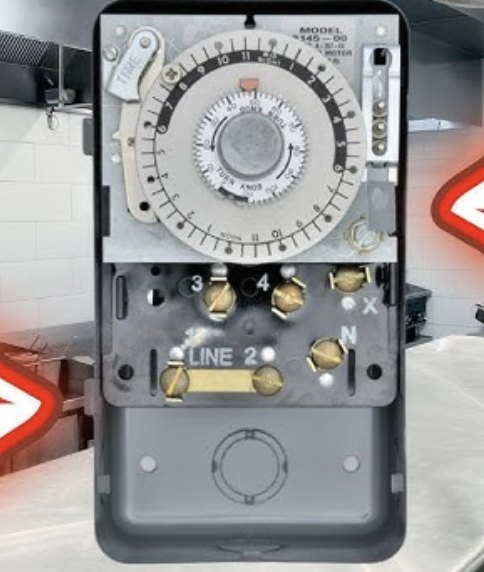
The catch is the defrost method most liquor coolers use. It’s called off-cycle, or “air,” defrost: the compressor cuts off, the evaporator fans keep running, and the box’s own air blows across the coil to melt the frost. It’s simple, cheap, and reliable — as long as the box air is warm enough to melt ice.
A 38°F box has a little melting power. A 34°F box has very little. A true 32°F box has almost none. The coil can never get any warmer than the box, so the colder you insist on running it, the weaker your defrost becomes — right when the frost load is at its worst.
Why “Just Hold It at 32” Backfires
Here’s the trap we get called out to fix: an owner cranks the thermostat down to chase colder beer, the air defrost can no longer keep up, the coil progressively ices over, airflow collapses, and the box can’t hold temperature anymore. The beer ends up warmer than it was before, the compressor runs nonstop trying to catch up, and now there’s an ice problem on top of a temperature problem.
What Actually Gets You Cold Beer
Holding a genuinely cold liquor box comes down to three things working together:
The Three Levers
The right coil. A larger, “low-temperature-difference” coil runs only a little colder than the box instead of way colder — less aggressive frosting and steadier temperatures.
The right defrost method. When the box needs to stay below about 34°F, air defrost runs out of room. The answer is usually electric defrost (heaters that clear the coil regardless of box temperature) or a staggered multi-coil setup where some coils keep cooling while one defrosts.
Controlling the moisture. Most of the frost on your coil rode in on humid air — through the front door of the store and through the cooler door every time someone grabs a case. Cut the moisture and you cut the frost.
Why Summer Is the Hard Season
Your cooler that runs perfectly in February can ice up in July — same equipment, different moisture. Hot, humid Twin Cities summer air comes through the front door every time a customer walks in, your store AC only pulls out so much of it, and the instant the cooler door opens that damp air rolls straight onto a sub-30°F coil and flashes to frost. The frost load in July can be several times what it is in winter, which is why a cooler that’s marginal on defrost shows its weakness in the summer heat. Building for the worst-case summer load is how you keep beer cold year-round in Minnesota.
What temperature should a liquor-store beer cooler be?
Most run 34–38°F. Many owners push toward 32–34°F for colder beer, which is achievable — but it takes the right coil and defrost setup, not just a colder thermostat setting.
Why is my walk-in icing up when I turn it colder?
Because the colder you hold the box, the less your air-defrost cycle can melt the frost. Below about 34°F, off-cycle defrost runs out of melting power and the coil ices over.
Can beer freeze in a walk-in cooler?
Yes. Standard beer freezes around 27–28°F. Cold spots near an oversized or poorly-defrosted coil can slush or freeze product even when the average box temp looks fine.
Why does my beer get warm in the summer but not the winter?
Summer humidity. Far more moisture comes into the box in summer, which overloads a marginal defrost, ices the coil, and chokes airflow — so the box can’t hold temperature.
Can you make my existing cooler hold colder beer?
Often, yes — by addressing coil sizing, defrost method, airflow, and humidity together. T&H can assess your specific box and tell you exactly what it’ll take.
T&H Mechanical builds and services liquor-store walk-ins across the East Metro & Western Wisconsin.
(651) 413-3331
24/7 Emergency Service
